Showing posts with label animals. Show all posts

Wednesday, November 20, 2019

Monty Roberts, a Real Horse Whisperer


Many are familiar with the popular novel, The Horse Whisperer (1995) which was later made into The Horse Whisperer (1998), the movie directed by and starring Robert Redford. To write his incredible book that populated best seller lists, Nicholas Evans, author of The Horse Whisperer (1995), met Monty Roberts and heavily interviewed him among other knowledgeable horse trainers and owners before writing.

But while The Horse Whisperer is a work of fiction, what appeared on library shelves two years later, The Man Who Listens to Horses (1997), is the autobiography of Monty Roberts, a real-life horse whisperer. In his own book, Monty tells his remarkable journey with horses and how his horse training-methods have revolutionized horse training, from the violence and exercise of force and mastery previously used to the gentling methods of those today. Horses are not to be "broken" anymore but to be "gentled". 

Here is a postage-stamp version of the Monty Roberts story.
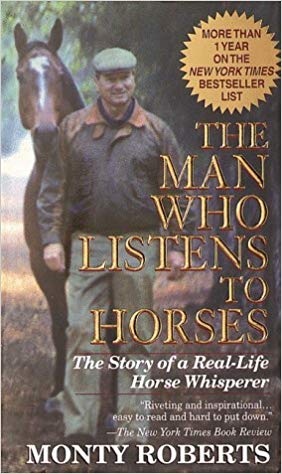
Source
Monty Roberts, born 14 May 1935, as a babe was held in the saddle in front of his mother as she trained neighborhood youngsters in the family riding school. By age 4 Monty was riding in shows and winning prizes. At age 7 he made a precocious and controversial discovery—the realization that horses have their own language, what he came to regard as “the language of Equus”, an extremely controversial thought at the time!

His father, a mean and violent horse trainer, also mean and violent with Monty, wouldn’t allow such a thought, and tried to beat (yes, physically) the thought out of Monty’s brain. Monty hated violence and despite the beatings, continued his observations on how horses communicate. By age 11 Monty was in the family rail car and riding across the country with typically 6 horses, a groom-trainer, and a school teacher. By this time he was known to be “professional” as his competitors were kids who actually attended school and merely rode on weekends, he swooped up the highest prizes rather consistently whenever and wherever he competed.

By age 13 he was taking summer trips to the Nevada desert to do mustang round-ups, and this was where he got the biggest epiphany on horse communication—from interactions at night between a young misbehaving stallion and the leading herd mare who was “punishing” the wayward youth! To be able to see these night interactions between the herd animals, Monty realized his rare achromatopic (complete colorblind) condition was actually a blessing, as it gave him ability to distinguish the textures of the night desert and not feel the loss of the colors!

On this earliest mustang roundup he observed a mare chasing a young rambunctious stallion 300 yards away from the herd and not allowing him to return. This ostracism is critical as it prevents group protection from the coyotes, wolves, mountain lions and other predators, and it is unnatural to be excluded as horses are herd animals and thrive in socializing family herds. The young stallion was chased out and the lead mare kept him ostracized by directly facing him, eyes riveted into him, with no letup on reprimanding stance or breaking of eye contact. After some minutes the young stallion started moving his mouth, and then sticking out his tongue a bit at times, actions that Monty later learned was his beginning to admit his submission to her authority. Following this, his head would drop to just inches off the ground while he continued with the mouth action. The mare was waiting for this submissive act and then would break eye contact and look a few inches in front of him. As he continued with his submissive movements and turning his body more and more laterally to her, an overt act of vulnerability and submission, her eyes would drift further in distance ahead of him, and she too would gradually turn laterally. The more she turned, the closer he approached. What was utterly astonishing to Monty, however, was how she showed her forgiveness to him after allowing him back into the herd, provided he continued expressing his submission and not misbehaving again. She would curry his mane, withers and around his tail gently with her lips and teeth and give him lots of attention as she welcomed him back, and forgave him. If he misbehaved, out he was chased again, and the process would be repeated.

For Monty, this was revolutionary! Horses had rules, meted out punishment, expressed forgiveness and caring love, and were in fact master trainers for raising “model” communities! Monty’s father used aggression, violent submission, force and cruelty in his horse-breaking methods, and Monty was quick to note the huge differences in both process and outcome. Monty developed training methods he gained from this mustang experience, and his horses were “broken” to saddle and bridle in an average of 30 minutes after meeting. His father’s violent method took 6 weeks, and the horse was forever damaged. Monty’s method was based on speaking the “language of Equus” with the horse and gaining its trust so that he could just quietly place the saddle on the horse, reassure the horse that it wasn’t a bad thing, and then slip the bridle on the horse with the same reassurance. Monty knew his father’s method of domination was inherently wrong, and Monty’s ultimate philosophy was that the horse is an honest soul and will tell you its story, if you but take the time to listen, as “the horse is always right”!

Monty’s Training Method

According to Monty, to break a horse in 30 minutes is not difficult if one speaks the “language of Equus”. The ideal method is to use a 50-foot arena, preferably without a lot of activity around it. The horse would be put in the arena for a time before Monty entered it in order for the horse to become familiar with the space rather than have too much unfamiliar stimuli at once during the initial gentling session. Then Monty would enter the arena with a rope, not to beat the horse at all, but to just flick the rope behind the horse to keep the horse circling at a nice pace. Monty, like the lead mare who was ostracizing the fractious youth, would squarely face the horse with eyes fixed on it and the horse would be running because he was realizing Monty spoke “Equus” and he, the horse, was being punished for something.

Once the horse started moving his mouth, and then lowering his head to just above ground level while moving his mouth and still making revolutions around Monty, Monty would adjust his eye focus to just in front of the horse. The horse would slow immediately, offer more submissive mouth movements with lowered head and the further Monty adjust his eye focus in front the horse, the slower the horse circled. Finally when Monty was no longer looking at the horse and his (Monty’s body) was turned laterally in the position of little awareness and in trusting vulnerability, the horse would gaze at Monty. Monty would then turn his back on the horse, being careful to never cut his eyes in any way to see how the horse was reacting, and just slowly walk away. The horse, the herd animal, would naturally approach Monty and with its muzzle over Monty’s shoulder, follow Monty trustingly around the arena.

After a couple minutes of “round-up”, Monty would turn and touch the spots of vulnerability—the spots where for example a mountain lion would grab if it attacked, many of the same spots that the mare had curried when she welcomed the fractious stallion back into the herd. Monty was saying with these touches, “You can trust me. I would never hurt you.” Monty would touch the vulnerability points, along the muzzle, the top of the head, along the mane, the throat, the flank, and as he developed his methods, he would even lift one hoof after another, an act that demanded ultimate trust as it denied the horse the ability to run when one of its hooves was lifted. With these acts allowed, the horse was acquiescent for allowing more acts of vulnerability, the adding of the saddle, and then the bridle. After each each piece of equipment was added, Monty would reassure the horse with appropriate touches, conveying his high regard and respect to the horse for the horse putting such trust in him. And so Monty could walk into an arena, and about 30 minutes later have a “green” horse introduced to a saddle and bridle and have a rider on his back for a few spins around the arena. Of course this was just the beginning of the training, but Monty did the initial horse “breaking”, a term that is actually a misnomer. The term in regard to Monty’s method should be more like “horse gentling”.

KNYSNA-PLETT HERALD
This book is the amazing journey of Monty from a small boy who never had a childhood or owned a toy to a grown man who, living and breathing with horses all of his life, learned a method of “horse breaking” that gained the horses trust and didn’t destroy its spirit. When Monty was into his 40s, Queen Elizabeth, quite the horsewoman herself, heard about Monty and invited him to Buckingham to see for herself his methods. She was amazed and she and Monty struck up quite the friendship which lasted for years, and developed further during many more visits. Until meeting Queen Elizabeth, Monty had learned to remain silent about his controversial gentling methods of training horses. After meeting such a renowned horse advocate, Monty started giving public demonstrations and instructions on his methods, and because of Queen Elizabeth’s keen passion for humanitarian treatment of horses and her passionate approval of Monty’s gentling methods, Monty’s ways became widely known … and even was the catalyst for this book!

Monty, beaten from ages 7 to 15, and often with a chain, refused to continue with the violence that he underwent growing up. His methods gentled the training methods of horses, and he and his wife with their big hearts and passion to help even youths at risk, over the years took in 47 foster kids (typically aged 12-14) who had a lot of baggage. They used the same methods of “herd mentality”, stern looks and welcoming touches as the mare had used. None of their kids were ever beaten, communication and love were the ingredients for a strong “family” tie. And Monty says that despite the heavy baggage that his 47 foster kids had, 40 of them were “successfully taught to fly”!

Definitely this book is a high recommend!

Thursday, August 29, 2019

Alex & Me: Anecdotes on Language Acquisition

Many people are aware of the 30-year long relationship Irene Pepperberg had with her African Grey Parrot, Alex (roughly May 1976 – 6 September 2007). 

Irene Pepperberg was trained at Harvard in chemistry, but while writing her chemistry dissertation she became fascinated with the biological aspects of language acquisition in animals. She finished her chemistry dissertation but never used the degree directly. That said, however, she had learned many research and other transferable skills to enter into the biological field of animal psychology. She studied constantly -- about child acquisition of language, about animal cognition which at the time was believed to be almost non-existent. For years she battled disinterest in her studies, and especially flack from the scientific world in general; animals were strictly believed to be governed by instinct and intelligence wasn't to be considered. Until this time, language acquisition had only been testing in some primates, gorillas, and corvids (crows, ravens). Irene thought that a grey parrot, an animal known to talk, would be the ideal subject to research animal cognition and intelligence with, and so went to an exotic pet store to get one. One was arbitrarily scooped up, and that parrot became the famous talking Alex! 

Source
A video on YouTube "Alex: One of the smartest birds ever" shows some of his training to demonstrate that animals, precisely African Grey Parrots, can not only "parrot" humans but actually understand and communicate with them intellectually, rationally, intentionally - all aspects of intelligence previously denied possible in the animal world. Humans just couldn't wrap their brains around the fact that humans aren't positioned as the only "animals" that acquire and communicate with meaningful language.


Some anecdotes I pulled from the "Alex and Me" book, which become clearer after seeing this YouTube clip.

In his early years of training:

In training, Alex "was less interested in colors than the objects, probably because all the colors tasted the same, while the different objects had different tastes and textures."

"He loved chewing clothespins. We called them 'peg wood', which he picked up quickly. I then gave him a green clothespin, something he'd never seen before, and asked, 'What's this?' He looked at it and cocked his head a couple of times, obviously intrigued, as he often was with novel objects. He then looked at me and said, 'Green wood peg wood,' all one phrase. We hadn't modeled it, so this was striking. Of course, a perfect response would have been 'Green peg wood'. 
[Pepperberg's early initial struggles with funding and getting published in a time when there was a growing controversy in the field of ape-human communication .... and therefore if apes weren't given legitimacy in communication, certainly no 'bird-brain' was going to get it! She writes:  
The chimpanzee known as Washoe, for instance, in the care of Roger Fouts, had apparently coined the phrase "water bird" the first time she saw a swan; Koko the gorilla, the subject of Penny Patterson's research, seemingly described a zebra as a "white tiger". These efforts were garnering a lot of public attention (NOVA programs were just part of that; magazine and newspaper articles proliferated too). Yet linguists were expressing a growing unease over the claim that these animals had demonstrated a rudimentary facility for language. 
In November 1979, Science published a long paper by Herbert Terrace and several colleagues: "Can an Ape Create a Sentence?" It was to become a classic in the growing controversy.]
Some language acquisition with Alex was unplanned, for instance, in December 1980 Alex was taken to a washroom on researcher Kathy Davidson's shoulder and he noticed his reflection in the mirror for the first time. He looked into it, cocked his head, and asked, "What's this?" Kathy answered, "That's you. You're a parrot." Alex looked some more and then asked, "What color?" Kathy said, "Gray. You're a gray parrot, Alex." And that was how Alex learned the word grey.

After several years of work with Alex:

Alex as as grey was very affectionate and loved to have his head lightly scratched. Lab workers called it tickling, so Alex when he wanted attention sometimes would lower his head and say, "You tickle", meaning "scratch my head". One day a stuffed gray was on the desk where Alex worked. After a bit he went over to it, gave it a good look, and then lowered his head to the stuffed bird and said, "You tickle." When nothing happened, he did it again. Again nothing happened, so in a huff, Alex said, "You turkey," and walked off. "You turkey" was a phrase the lab students sometimes said to Alex when he was uncooperative.

Another phrase he picked up inadvertently was "Pay attention!" He had aspergillus infection, a killer, and had to be taken to the vet and put into a nebulizer to help him breathe in drugs for treatment. Of course he didn't like it in the confining nebulizer. He knew he had to "wait" until the bell went off after the treatment, but one time there was an emergency and when no one came after his timer went off, he rapped on the glass and said not only his unhappy-with-this-environment phrase of "Wanna go back", he called out, "Pay attention! Wanna go back!" He had picked up "Pay attention" from students who were testing him in the lab.

At the vets, Alex was popular during the day, but at night he was basically alone. One night the accountant stayed late, and Alex tried to communicate with her. She was working so therefore quiet, so Alex asked, "You want a nut?" "No, Alex." He persisted, "You want corn?" "No, thank you, Alex, I don't want corn." This went on for quite a while with the accountant trying to ignore him in order to do work. Finally, Alex apparently in exasperation said in a petulant voice, "Well, what do you want?" The accountant cracked up laughing and gave Alex the attention he was demanding.

After recovery, Alex was taken back to the lab, but he didn't seem interested. In response to the question "How many wool?" based on the number of wool pieces on a tray, Alex answered, "One." The correct answer was two. When asked again, he said, "Four." Back and forth, one and four. Finally Irene said he would have to go into time-out and put him in his private room away from people. He immediately called out from behind the closed door, "Two ... come here ... two." Yep, Alex had fully recovered and was up to his old tricks!

Of course Alex wasn't the only bird in the lab. There were others like Griffin and Wart. Both were younger than Alex and both were obtained years after Irene had bonded with Alex, so Alex was king in the lab. He always had to have the higher perch, be closer to Irene's face in pictures and in communal work, and was therefore bossier. When Griffin was asked a question and didn't answer immediately, Alex would call out the answer (and sometimes the incorrect one to confuse Griffin). If Griffin's pronunciation wasn't clear enough, Alex would call out, "Say better" and Griffin better sound better on the next try. 

Did Alex understand language? Well, what do you think? 

Irene came storming into the lab one day angry to lose funding for her research ... yet again. Alex looked at her, and said, "Calm down!" 

He babbled and played with sound when alone, for instance, "green, cheen, bean, keen ..." So one day while Irene was testing him with a photographer on a limited schedule, she was asking Alex questions related to phoneme sounds, something she'd never worked with Alex on, but because the interviewer was on a tight schedule Irene skipped giving Alex a reward for every correct answer because Alex eating a nut after each answer would take too much time. Alex was getting frustrated and at not being appropriately rewarded for his efforts and would call out, "Want nut!" He continued to answer each phoneme question correctly, despite never being asked such questions before, and after each would demand more loudly, "Want nut!" Finally, in exasperation Alex called out, "Want nut! Nnn ... uh ... tuh!" Irene was stunned! His response was equivalent to, "Hey stupid, do I have to spell it out for you?" 

Could Alex put thoughts together to create new meaning? Well, one day someone brought a birthday cake into the lab and everyone shared it, including the birds. Community was very important for fostering communication and relationships. When Alex got his piece, he appreciatively said, "Yummy bread." He had known "yummy" and "bread" before, but putting them together was totally Alex's idea.

The night before Alex died, September 2007. 

Alex stayed in the lab with the other birds, and every night before Irene would leave, she and Alex would say their parting words. Wart and Griffin said nothing.
Alex: "You be good. I love you."
Irene: "I love you too."
Alex: "You'll be in tomorrow?"
Irene: "Yes. I'll be in tomorrow."
And those were the last words Alex spoke to her, "You be good. I love you!" Irene treasures them!


Monday, June 17, 2019

Animalia: Why Wild Dolphins Walked on Their Tails, Then Stopped

Most people think of dolphins as entertaining, some know them to be intelligent, but sometimes it's neat to look at a more scientific explanation of behavior that we humans anthropomorphize in animals, that is, view their behavior through our own human cultural eyes. An email from the Washington Post touched on some insights of recently developed dolphin behavior and how that behavior might not be just as "fun" behavior but might also include mourning:

By Karin Brulliard 
Tullula, a wild dolphin, tail-walking in Adelaide, Australia. (Whale and Dolphin Conservation) 
Anyone who's visited an aquarium — or seen photos from SeaWorld — knows dolphins at such facilities are good at learning tricks. But so are wild dolphins, and they can learn from each other. 

Researchers working in Adelaide, Australia, have known this for decades, thanks to the bottlenose dolphins that swim the busy, urban waters of the Port River. Starting in the late 80's, they watched as the marine mammals delighted boaters with the aquarium-standard skill of tail-walking. That's when a dolphin rises vertically out of the water and uses its tail to scoot along the surface, forward or backward. 

There was a reason these dolphins were doing this: They had a good teacher. It started with a female dolphin nicknamed Billie, who in early 1998 was rescued from a polluted creek off the river and spent a few weeks rehabilitating in a local dolphinarium. When she was released into the river, she started occasionally tail-walking — just like she'd seen the captive dolphins that were briefly her roommates do. Within a few years, she'd caught the attention of a conservationist named Mike Bossley, who told the Atlantic this week that the sight was "spectacular."

Read "A Once-Captive Dolphin Has Introduced Her Friends to a Silly Trend" (5 Sept 2018)
But more stunning, according to a recent news release from Bossley's organization, the Whale and Dolphin Conservation Center, was that other dolphins picked it up from Billie. By 2011, nine had been observed performing the behavior, WDC said it had become an example not just of a learned cultural behavior, but of a cultural fad

What made it a fad, Bossley and other researchers who documented the tail-walking wrote this week in Biology Letters, was that it eventually started to fade. Since the 2014 death of a dolphin dubbed Wave, whom Adelaide Now referred to as "the most prolific tail-walker Port Adelaide has ever seen," just two have been spotted doing this watery moonwalk. (Adelaide Now, however, also reported that Wave's son, Tullula, is the "new star" of this show.) 

The mystery is why the wild dolphins adopted tail-walking. It doesn't help them eat or mate, so what's the point? Fun, maybe — but then again, Wave was seen doing it next to the corpse of one of her offspring, the researchers reported. 

“My wife, Claire, thinks they did it simply because it felt good,” Bossley told the Atlantic. “It might have been a form of artistic or aesthetic performance, like someone dancing — a behavior that has its own intrinsic value to the dolphin, rather than any functional significance.” 

Monday, April 22, 2019

2018 Hambone Award Nominees

The annual Hambone Award is given out each year by Nationwide, a company that offers pet insurance. The prize goes to the pet with the weirdest insurance claim -- as decided in an online vote open to the public -- and it includes a bronze statue and a “huge basket of their favorite toys and treats,” the firm says. The veterinary hospital that treated the animal reaps an even bigger award: $10,000.

So here are some of the finalists for 2018:

Sugar Cookie in January 2018 [my personal favorite]:

Sugar Cookie, a Siberian cat, somehow got mixed up in the laundry that was already dry. The owner, not having time to finish the folding, put the remaining laundry back in the dryer for a quick fluffing, and then walked away. She soon heard meowing, and went in search of the sound. Lo and behold, the sound was coming from the dryer. Quickly stopping the dryer, she pulled the cat out and called emergency care, who advised her to take her cat to the local vet and treat it for dehydration. She did, and the cat being a cat, obviously has at least one life left, as it pulled through quite well.


Bentley (Golden Retriever) in May 2018, most unusual claim of the month: 

Bentley's owner runs a florist shop and while making arrangements, a hot glue gun is used. Usually the glue gun in kept on a high shelf, and usually the dog doesn't go near the owner while she is working. However, one day the owner noticed the dog working and working, trying to get his eye opened. He had somehow gotten near the hot glue gun and successfully glued his eye shut. After trying desperately to work the glue off, the owner ended up taking Bentley to the vet who carefully shaved the glue off with a knife. No damage done, but the owner was thankful for the pet insurance to cover the cost of the vet bill.


Ziva and Zeus in April 2018: 

Ziva and Zeus, two German Shepherds, wandered in an abandoned missile silo 200 yards behind their owner's house, and got trapped. For the next 21 days the search was on for them, but no one thought to look for them there, so close to home. Finally in an act of desperation, the owner wandered through the silo and heard the dogs, which were in a long deep hole and standing in 6 inches of water. 9-1-1 came to the rescue to pull them out, and vet services were needed to treat and monitor them for a few weeks. Ziva the female lost 25 pounds, had a gash on her leg and needed anxiety medication. Zeus lost 30 pounds, had several hot spots, giardia and liver issues. Both pulled through quite well considering they were trapped and without care or shelter for three weeks.


To read up on other Hambone winners and nominees, read the Hambone Award page sponsored by the insurance company Nationwide. Their collection of stories goes back to 2009, so there are loads of crazy stories to laugh over! and vote on for your own favorite!

Tuesday, March 12, 2019

Ark Encounter, Amazing Architecture!

The Ark Encounter (Kentucky), built on Biblical proportions, is a massive construction meant to wake people to the reality of what building and living in the ark for a year really entailed. Bible scholars, Christians and non-Christians go to visit the monolithic construction built out of wood. I have to say that although I read my Bible and was practically weened on the story of Noah and the Ark, walking through this ark and visualizing a home on the water with thousands of animals and only eight people to feed and water them and muck out their crap, I was stunned! 


For years my questions have been how did people live a whole year without the vitamin D from the sun? How did they deal with the stench of so many animals? Indeed, how did so many animals fit into the tiny ark, esp when so many animals are quite large and they were taken into the ark in pairs for the unclean animals and for the clean animals in groups of seven (or was it 14, discussion on this number confusion discussed)? How could the eight people prepare food without refrigeration for themselves, and get fresh vegetables for maintaining health? How did massive amounts of food fit into the ark when I've know for years that just a single elephant in captivity eats about 6 bales of hay a day, and no way could there be enough space on the ark for food for even one elephant for a year, let along two elephants, let alone a whole host of animals! How could enough food along with the thousands of animals fit onto the ark????

Well, there are no definite answers, and what is possibility and what is actual fact is clearly distinguished when any information (and there is a lot) is presented. Facts are clearly given and, if poetic license is used, e.g. naming Noah's wife or assigning roles to specific family members, the information is stated as a choice for envisioning family functions or for creating individuality and character in an otherwise detail-less story enactment. Excellent creation of what is thought to be period scenes, based on other archaeological discoveries (these points are discussed too in the creation of the scenes). I thought the research done in the building of the ark scenes was astounding! 

So here are some ideas about the layout of the ark ... these are SOME ideas. The ark was filled with innovative possible mechanisms and strategies for feeding, watering and maintaining the animals and the eight people who had faith that God would provide and care for them.

First and second floors dealt mainly with the logistics in constructing the ark, the research behind its construction, and the care and housing of the animals.


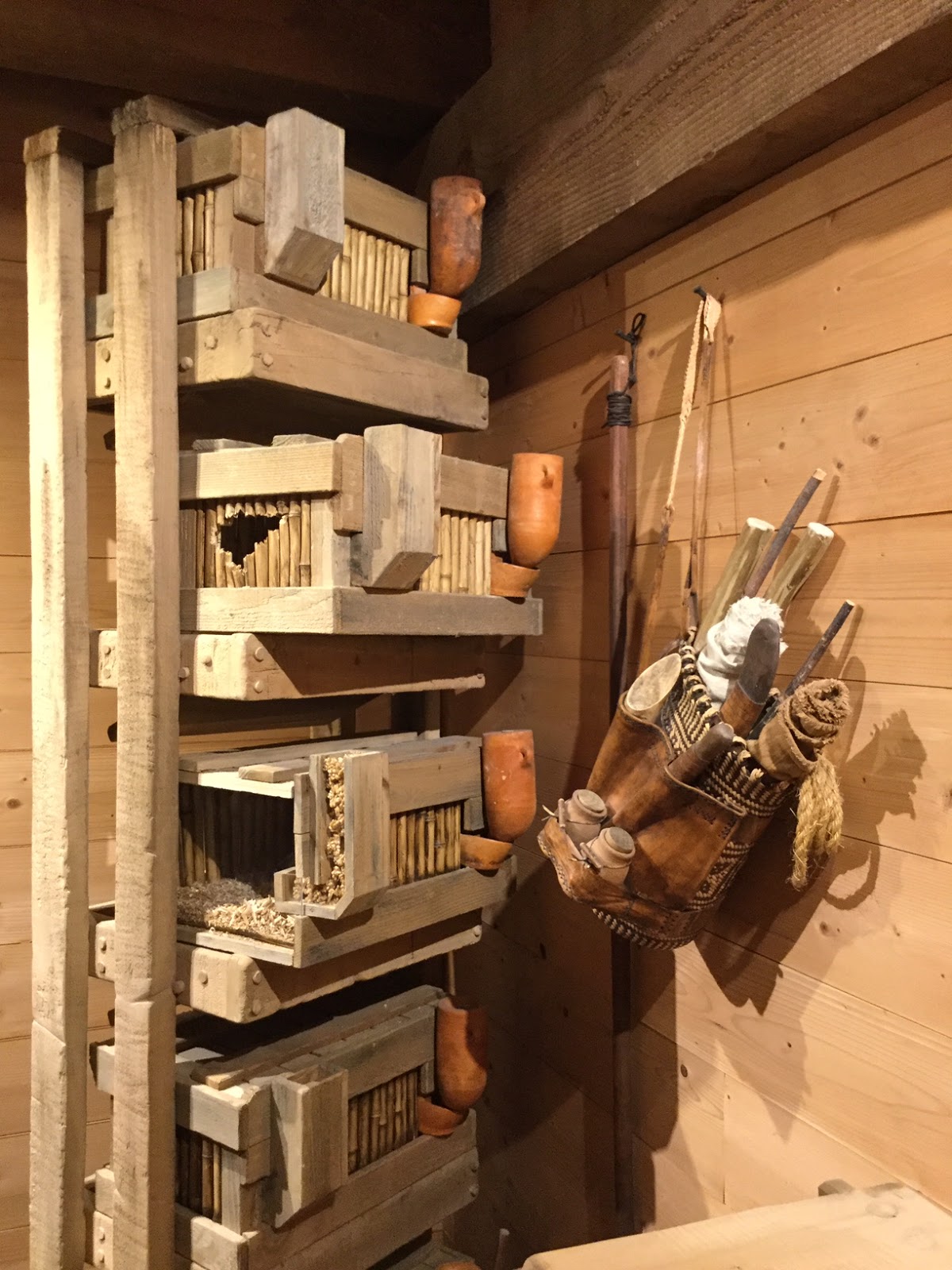
Amazing central architecture! This openness between the floors (poetic license) allowed for ventilation and air flow between the floors. It also allowed the lighting from the unfinished top area to filter lighting to even the lower level of the ark.


Wouldn't it make sense that only young animals would be taken on the ark? They wouldn't eat as much, they would be more resilient to the change of the earth afterwards, and have more time to reproduce and repopulate the earth after the cataclysmic destruction.


Parts of the second and third floors contained information regarding geology, Biblical interpretations, myths surrounding the Flood (over 200! collected throughout the world), and much much more.


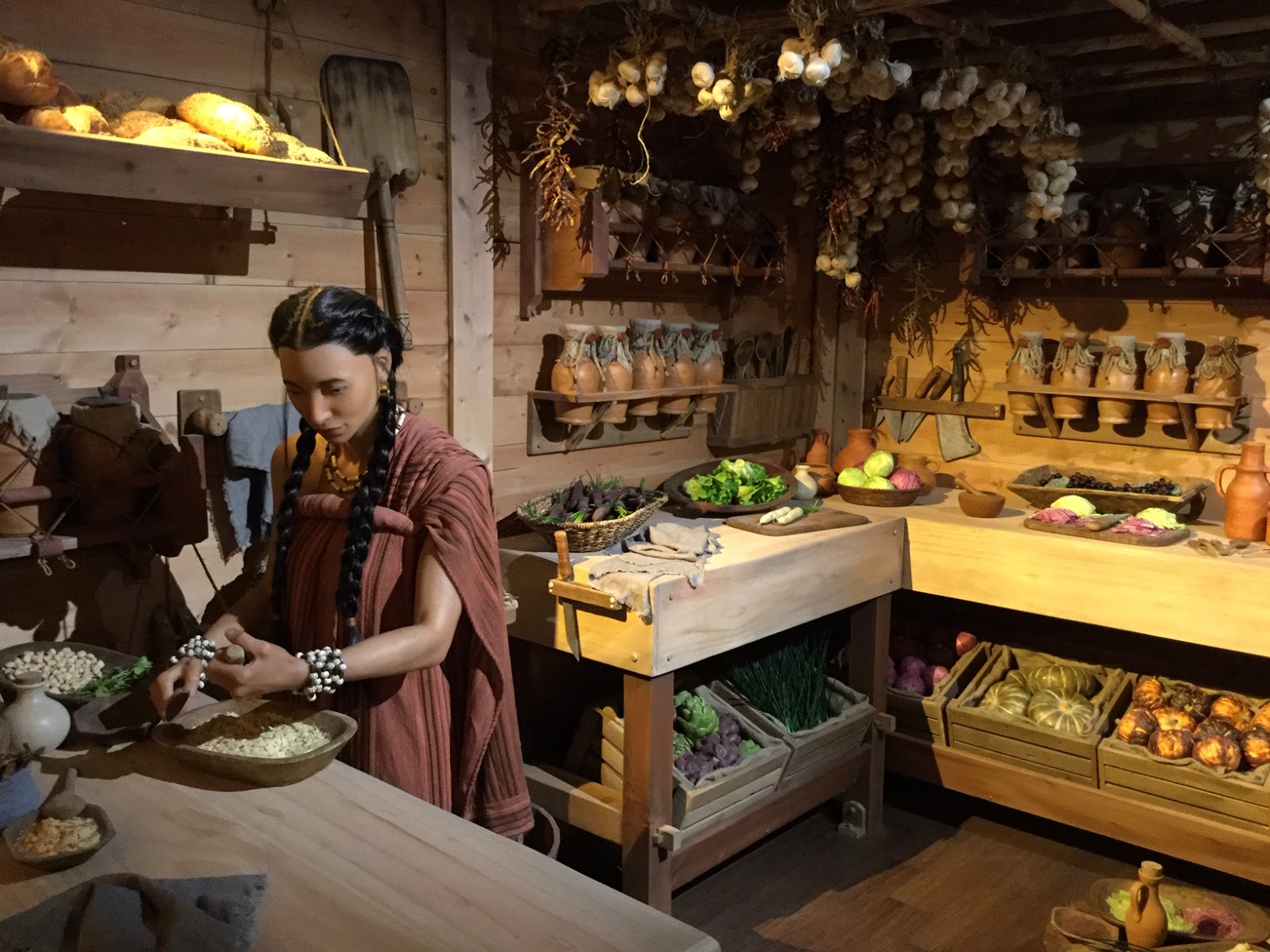
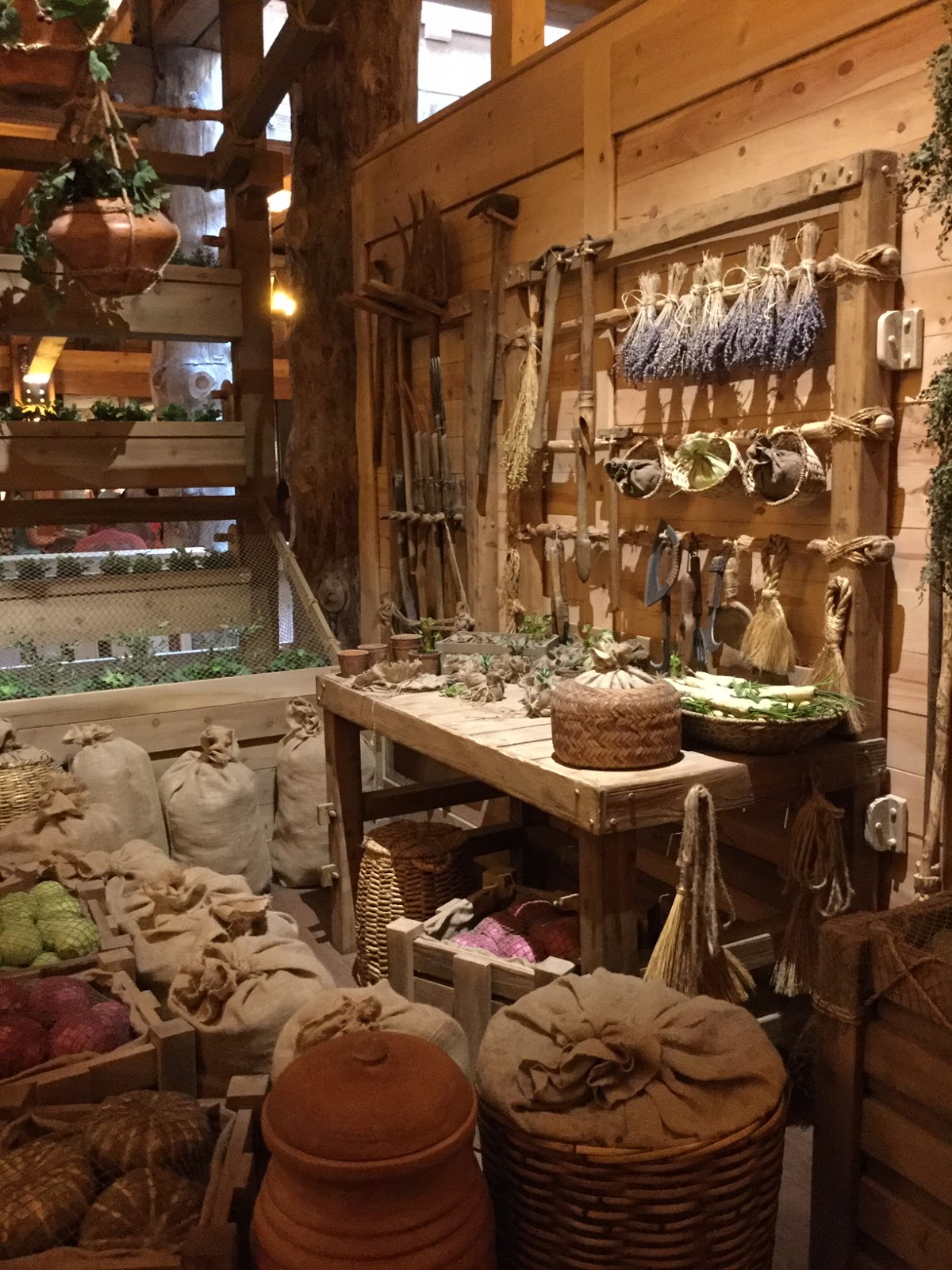
The third floor was primarily dedicated to the living and working quarters of the family of eight. It held their kitchen and cooking and growing facilities, a blacksmith shop and woodworking shop (something is bound to always be breaking on a big boat in a violent sea!), it held a dedicated room for each of the four couples, and each room was decorated to show different personalities and different skills, what is thought to be a pretty display of the talents, arts and crafts of the time.


Impressive! Educational! Based on Biblical literature!
A very profound experience!

Friday, November 9, 2018

Animal X-rays at the Oregon Zoo

Even animals need health care and, just like humans, animals under zoo care get preventative treatments to ensure a longer and more physically stable life. On October 17 and 18, the Oregon Zoo posted on Twitter some of the "rad radiography from health checks at [their] veterinary center". The "rad radiographs" were labeled as "amazing and gothy animal x-rays taken during health check-ups". Initially, the unnamed iguana got the most tweets with the undulating twists of the python the second. Many artists responded that they would appreciate these pictures being uploaded in high definition for artistic purposes to Creative Commons. Another suggested selling these types of picts as a way to generate money to support the many expensive eating needs of the zoo animals. But seriously, wouldn't these be fabulous in art?!?! I could definitely see a future in these types of "photography" entering mainstream art!

unnamed iguana
nature displaying the mathematical perfection of the Fibonacci Spiral

Rodriguez flying fox
ball python
beaver's tail
Toco toucan
three-banded armadillo
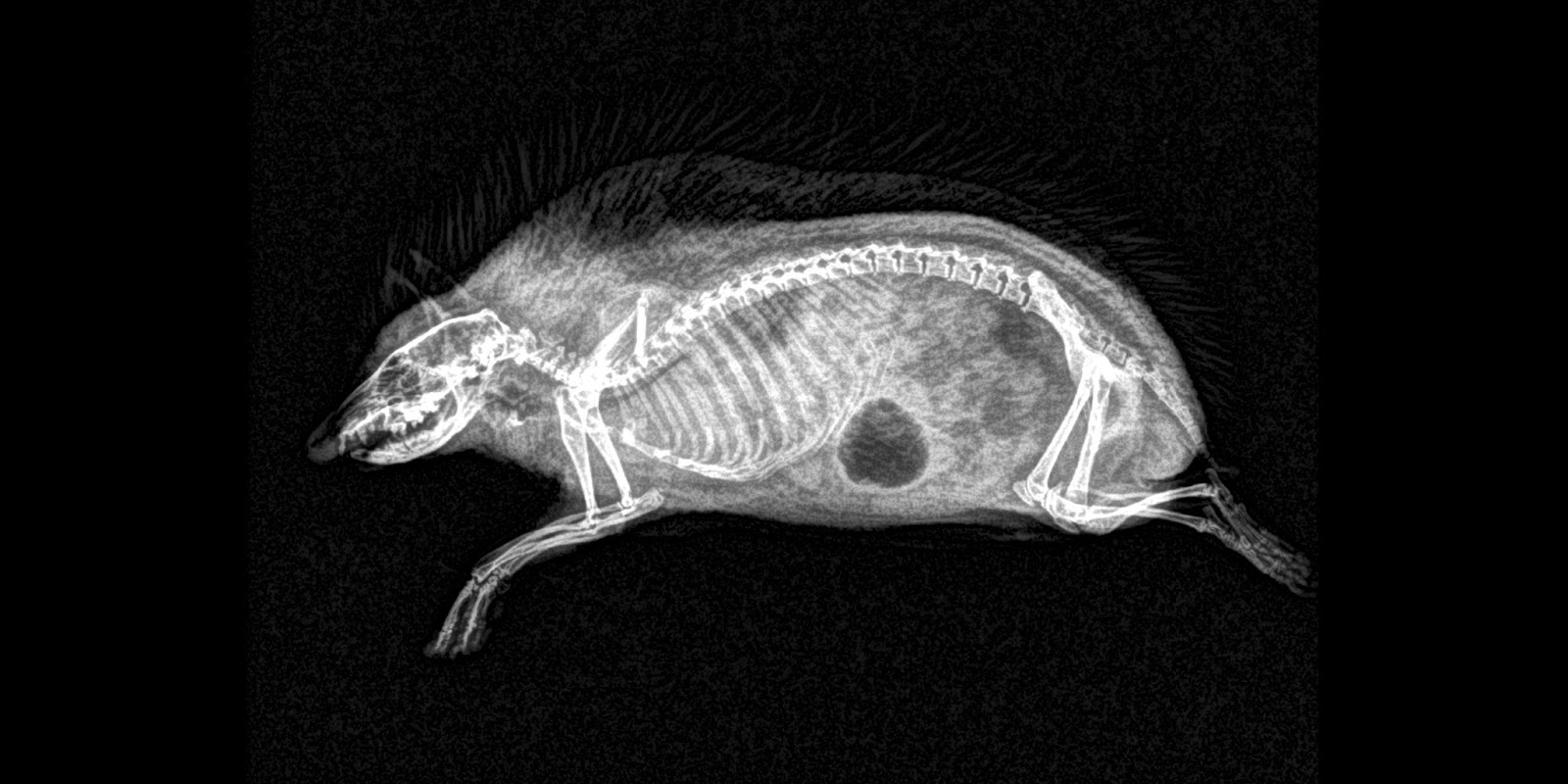
hedgehog (apparently gas in the stomach shows up as a dark spot)
wolf eel
flamingo legs
tiger's paw
screech owl
dwarf mongoose
fat-tailed gecko
unnamed turtle